Overview: Engine Repair and Replacement
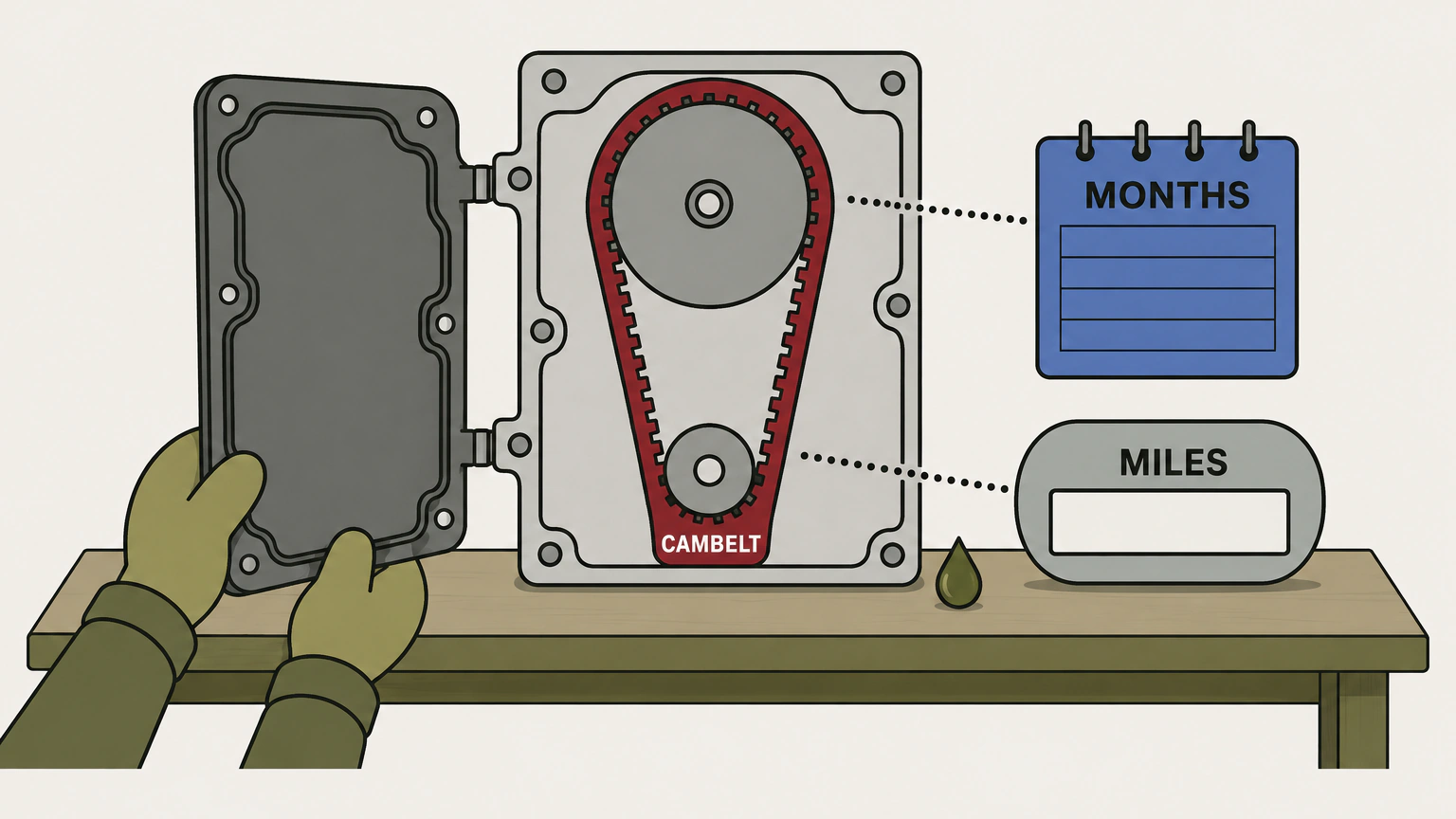
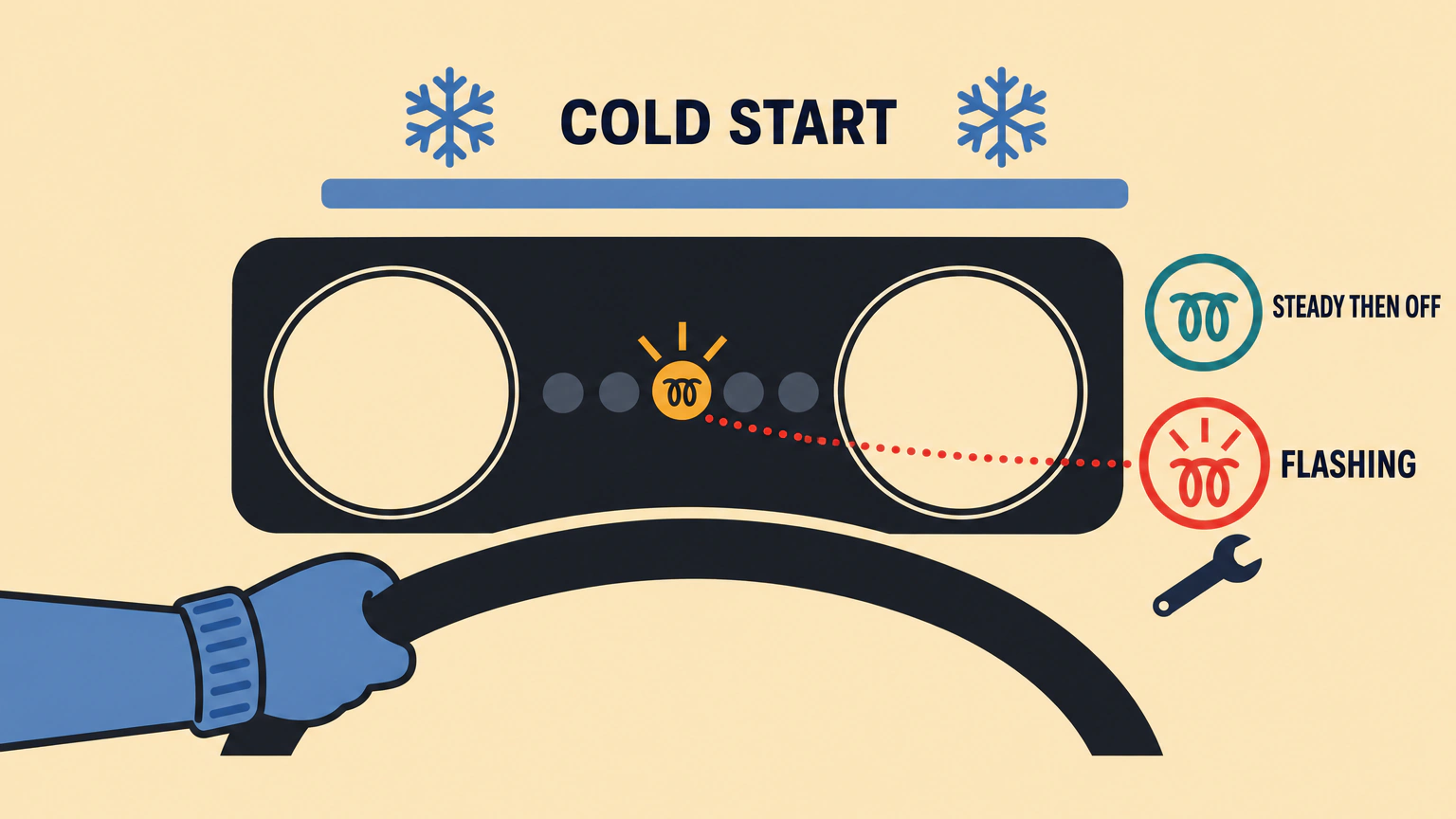
Plenty of engines in Britain die of neglect rather than bad luck. A cambelt left past its change interval, a diesel that only ever did short runs, coolant nobody topped up. The warnings come first: a knock that rises with the revs, white smoke, a warning light, or oil vanishing between services.
A garage can then repair the failed part, rebuild the engine, fit a reconditioned unit or source a used engine from a breaker. Which one makes sense depends on the rest of the car and how long its MOT has left. A car with a page of advisories is a poor home for new engine money.
Engine bills are big enough that disputes happen. The Consumer Rights Act says the work must be done with reasonable care and skill. If a garage is accredited by The Motor Ombudsman, you also get free dispute resolution under its code.
Our listings show what each engine specialist states on its own website, including rebuilds, reconditioned units and warranties. Choose a region, then a town, to find specialists near you.
Cost of engine repairs and replacement in the UK
Agree a diagnosis and dismantling limit before a major engine job. Compare repairing your engine with a matched replacement using complete installed prices and the same warranty questions.
| Job or scenario | Indicative cost | What the price covers |
|---|---|---|
| Initial mechanical engine assessment | £110–£180agreed diagnostic session | Inspection and specified tests, such as pressure or combustion-leak checks. Major dismantling and a rebuild are separate. |
| Rebuild: selected BMW four-cylinder diesels | £2,400–£7,200complete rebuild and refitting | N47/B47 examples with assessed reusable core and agreed internal parts. Turbo, injectors, major core damage and recovery can be extra; other engines need an individual rebuild quote. |
| Cylinder head gasket repair | Quote after diagnosis and head assessmentcomplete fitted repair | Confirm head testing or machining, bolts, gaskets, fluids and correction of the original fault. Additional block damage changes the job. |
| Damage after belt or chain failure | Quote after checking internal damagecomplete assessed repair | Assess valves, pistons and head before approving replacement parts. Preventive belt or chain replacement is a different job. |
| Used replacement engine | Quote for matched engine and installationcomplete installed engine | State donor condition and evidence, engine compatibility, fitting, fluids, tests and whether warranty covers repeat removal and refitting. |
| Reconditioned exchange engine | Quote for engine, fitting and exchange termscomplete installed engine | List replaced internals, ancillaries transferred, fluids, testing, recovery and old-engine return conditions. Confirm the complete fitted warranty. |
What changes the price
- Engine code, access and whether the block, head and crankshaft are reusable.
- Machining, internal parts, turbo or injector damage and the original cause.
- Removal/refitting, recovery, fluids, exchange conditions and warranty exclusions.
Ask before booking
- What will diagnosis or strip-down cost if I stop before the repair?
- Which parts and machining are included, and what requires further approval?
- Does the warranty cover parts, labour and removing the engine again?
Ask for an itemised repair plan and alternatives after assessment. Compare the total with the vehicle’s condition, other expected work and your replacement options.
Repair options are alternatives. The numerical rebuild example applies to the specified BMW diesel family; engine condition can put a quote outside it.
Frequently asked questions
Is the car worth an engine?
Look at the MOT history first. You can look it up on GOV.UK, and the advisories show what's coming, from corroded brake pipes to worn suspension. If the car has a long ticket left, a solid body and a sound gearbox, an engine can be money well spent. If the last test listed a page of problems, put the engine money toward another car instead.
What if my engine fails soon after I bought the car?
If you bought it from a dealer, the Consumer Rights Act helps. When a fault shows up within six months, the law assumes it was there when you bought the car, unless the dealer proves otherwise. The dealer gets one chance to repair or replace. If that fails, you can reject the car. Tell the dealer before anyone else starts work on it.
Do I need to tell the DVLA about a new engine?
Yes. DVLA lists the engine and cylinder capacity among the changes that must go on your V5C logbook. The usual evidence is a receipt for the replacement engine showing its engine number and capacity, so make sure the garage invoice includes both. Keep a copy with the service history.
Why is my engine burning oil?
Worn piston rings or tired valve stem seals let oil into the combustion chamber. Seals tend to show as a puff of blue smoke at start-up, and rings as steady use under load. It becomes an MOT problem when a petrol car puffs dense blue smoke continuously at idle, which is a major fault. A leak-down test tells the garage which one you have before anything comes apart.
What does the machine shop actually do?
It does what a garage can't do with hand tools. That covers skimming heads, boring and honing cylinders, regrinding the crankshaft and crack-testing a head under pressure. Most garages send this work out, and the rebuild is only as good as that shop. Ask who they use and what warranty covers the machined parts, then get the quote in writing with VAT included.